Friday, 15 April 2016

Lose weight Naturally


1. Don’t Hush
If you are planning to lose weight, all you need to do is be calm and relaxed.  If you are a type of person who hurries and worries for every small thing, first put an end to that attitude to put a start to this weight loss program. 

If you are willing to learn something new that is out of your box, make sure you learn it to the core without hurrying.  One has to know that we get nothing by hurrying except a hurting result.  Don’t hush and mix up your schedule.  Do prepare a schedule for your entire day and follow it perfectly.  Don’t put start to everything on the same day.  Maintain a little gap between each activity you are going or willing to start.  With every passing day let your to-do-list fill.  Don’t fill it up on the first day itself.  It may affect your entire day schedule.
2. Vote For Proteins-Rich Foods

In order to lose weight, you have to keep your stomach full.  You must be wondering why!  People had a misconception about dieting that it is all about starving ourselves with less food intake or no food intake. 

But in real, dieting is all about eating healthy and protein-rich food that makes you feel full all day.  One of the protein-rich in regular food chart is an egg.  The Egg is rich in proteins.  Proteins come with an added advantage that they make us feel full even though they are taken in small quantities.  So, vote for protein-rich foods from now.  This way, you won’t feel hungry every now and then and you won’t stuff yourself.  Thereby avoid weight gain.

3. Fighting
Koreans use the word “Fighting!”, which brings out a meaning that doesn’t give up.  When we start something, we start it with utmost enthusiasm and energy.  But as time passes, we tend to give up on it. Remember that, if you are to start something, be determined by what you want. Just put your heart and soul on the mission you started.  If you are that determined, your result would surprise you for sure.  So, Fighting!


4. No Cheat Meals
Even though you start your day with a good motto of losing weight, the mouth-watering dishes around you may tempt you in a way that you may break the bond that you tied with the weight loss program. 

But don’t forget that you ate them a lot in the past and you will eat them in the future too.  Know that you are on mission weight loss. You cannot cheat yourself and have cheat meals in this mission.  Your wrong step for one such mouth-watering dish will keep you away from many such dishes in the future.

5. Give It A Commitment
Commit yourself to eat your diet and do your workout.  Don’t skip them at any cost.  They will drive you to healthy living.  Don’t perform any crash diets that claim to offer good weight loss.  They may affect your health in future. 

6. Eat Your Heart-Full
Here, heart-full in the sense, food that teases your taste buds.  Don’t try to take a chance.  Your taste buds may be teased by spicy and oily foods, but those food are absolutely restricted for you.  Eat healthy foods like raw vegetables and fruits.  Choose the best fruits you love to eat and eat them a lot. 

7. Don’t Hit A Miss To Workouts
Working out is very important to be fit.  Keeping the fitness part aside, being flexible is literally a boon to start with.  Workouts can help make your body flexible.  There are many types of workouts like yoga, gym, cardio, running, walking, jogging etc.  Choose the one that you enjoy a lot while doing.  Commit yourself to doing a daily workout for about 45 minutes.

8. Increase Vitamin D Intake
Vitamin D is responsible for making leptin worthwhile.  Leptin is a hormone that is responsible for the active working of the brain.  As our central nervous system is responsible for all our actions and activities, it is important to know how to make it work actively.  Vitamin D helps in doing so.  So, include foods in your diet that are rich in vitamin D supplements.

9. Have A Food Fest
Have a food fest once in a while.  Don’t over eat in the name of food fest.  Eat to your heart’s content.  Eat to burn them off as soon as possible.

10. Preplan
Preplan everything.  Monitor diet, workouts, and necessary things to make this weight loss program success.  Prepare a perfect diet chart that includes all the above-mentioned points.


Here end our tips for daily weight loss.  Want to give it a try?  If so, set your mind to do so.  

Sunday, 13 March 2016

DOS AND DON’TS FOR DEPRESSION AND ANXIETY


DO’S

Listen to soft music
Exercise regularly and take brisk walks to fight depression
Expose yourself to bright sunlight
Meditate
Avoid alcohol, sweets and caffeine

DON’TS

Don’t indulge in negative thinking
Avoid consuming stimulant or processed food
Refrain from consuming excessive calories
AYURCLINIC Services – Indian Natural Therapies
Ayurveda Homeopathy Yoga Meditation
Working with you to achieve health and wellbeing.

YOGA AND EXERCISES FOR DEPRESSION AND ANXIETY

Engage in breathing, yoga and physical exercises to strengthen the mind and body. This keeps the channels of the body clean and allows proper flow of mental energy and nutrients.

Praanayama and yoga must become an important part of a person’s daily routine. This helps to concentrate the mind on positive thoughts and a recurrence of depression can be prevented.

Yogic asanas that are beneficial to people with depression are bhujangasana, halasana, paschimottasana, sarvangasana, shalabhasana, shavasana and vakrasana.

Pranayamas yoga to be done only as per doctors advice.

HERBS FOR DEPRESSION AND ANXIETY


1. Ashwagandha or Withania Somnifera can very effectively solve problems like manic depression, anxiety disorders, mood phobias etc.
2. Brahmi or Bacopa Monnieri is a nervine tonic that enhances mental ability. It calms and soothes the mind.
3. Jatamansi or Nardostachys Jatamnsi eliminates depressive and negative thoughts. It channelizes the mind towards positivism and calms the mind.
4. Guggulu or Commiphora Mukul contains a special mind calming chemical called guggulsterones. This chemical can effectively relieve depression.
5. Turmeric or Curcuma Longa can treat depression caused from seasonal changes.

Saturday, 2 January 2016

Diagnosis of HIV AIDS

Diagnosing HIV/AIDS

If you think you may be infected with HIV, the only way to know for sure is to be tested. Testing is voluntary and can be anonymous. Your results will remain confidential. You can be tested at your physician's office or at a sexual health clinic, many of which are run by local public health units.

HIV testing can involve two types of tests: a preliminary test that detects HIV antibodies and a final confirmatory test. If the rapid test, which requires a finger prick of blood, is reactive to HIV, a second laboratory-based test is required to determine whether someone is HIV positive. However, if the rapid test is negative, then no further testing is required.

If HIV infection is confirmed, your doctor will discuss treatment options as well as support groups and other services to help you cope. You should inform your sexual partners (past, current, and future) to protect them from developing HIV or help them get treatment if they have been infected. The laws about whether partners must be informed vary from province to province, but most provinces have developed services for notifying partners. Your doctor or provincial ministry of health may be able to help your partners get testing and treatment if needed.


Treating and Preventing HIV/AIDS

HIV is usually treated with HAART (highly active antiretroviral therapy), a potent combination of anti-HIV medications. HAART will not cure HIV, but it can reduce the amount of virus in the blood, improve the immune system, and slow the progression of the disease. At least three medications are used together. Using multiple medications that work in different ways helps prevent the virus from becoming resistant to the treatment. The risk of resistance increases when fewer medications are used, when too low a dose is taken, or when a medication is stopped, even if this only happens for a short period of time.

It is very important to take HIV medications exactly as prescribed. If you miss a dose, take less medication than you need, or take doses at the wrong time, the medication will not work as well. Timing the medications around your meals and daily routine can be difficult. Your doctor or pharmacist can help you fit the medications into your day. They may also recommend that you use a beeper or a special medication container to keep track of doses.

Once people develop AIDS, they usually take a range of antibiotic, antiviral, and antifungal medications that other people only take for a short time while they are sick. These medications help fight off opportunistic infections. People with "wasting syndrome" may be offered various treatments according to the cause of significant weight loss. Agents such as growth hormone, anabolic steroids, and appetite stimulants are examples of medications that have been used to treat this condition.

There is a great deal of research on new treatments for HIV. Treatment information changes quickly. To keep up-to-date, talk to your doctor or pharmacist. You can also contact CATIE (the Canadian AIDS Treatment Information Exchange) for free, current, and confidential treatment information. You can reach CATIE by phone (1-800-263-1638) or on the Internet (www.catie.ca). You can also check with your provincial Ministry of Health for information on provincial and local programs.

Anyone can become infected with HIV. Fortunately, it can be prevented. The main ways to prevent HIV infection are:

using condoms during sex (including vaginal, oral, and anal sex)
having fewer sexual partners
not sharing needles or other equipment to take illicit drugs

Unless you are in a mutually monogamous relationship (neither of you is having sex with anyone else), and you are sure neither of you is HIV-positive, make sure to use a condom every time you have sex.

In some cases, couples where one partner is infected may decide to risk infection of the other partner, especially if they are trying to get pregnant. If this is the case, talk to your doctor. Your choice of sexual partner is also important, since condoms do sometimes break or leak. You may know that you practice safe sex and that you haven't used dirty needles, but you must also know that your sexual partners and all their other partners do the same. Sharing needles is very dangerous – it carries a high risk of getting HIV.

People with other sexually transmitted infections (STIs) such as herpes are much more likely to contract HIV during sex, probably because of tiny breaks in their skin or vaginal lining. Keeping free of other STIs will help reduce your risk of HIV infection, but this alone will not protect you from infection. That's why it is important to use condoms.

If you have HIV and become pregnant, tell your doctor. The risk of infecting an infant during birth has been reduced dramatically through the use of medication and caesarean section when appropriate.

HIV AIDS

AIDS (acquired immune deficiency syndrome) was first recognized in North America in the early 1980s. It is caused by a virus known as HIV (human immunodeficiency virus).


HIV infection has become a worldwide epidemic. As of 2013, the World Health Organization (WHO) stated there were 35 million people currently infected with the virus.

HIV is more common among certain populations at risk, such as people who inject illicit drugs, and bisexual and gay men. HIV infections are also increasing among women, Aboriginal peoples, and African and Caribbean communities.


Causes of HIV/AIDS

The virus can be found in the blood, semen, vaginal fluid, and breast milk of infected people. HIV is also found in saliva, sweat, and tears, though not in high enough amounts to transmit the virus to another person. There are no known cases of anyone catching HIV through sneezing, shaking hands, or from toilet seats or mosquito bites.

The two most common ways to be infected with HIV in North America are through unprotected sex and sharing needles. HIV may be transmitted through unprotected heterosexual or homosexual, vaginal, anal, or oral sex.

Although the risk of infection is lower with oral sex, it is still important to use protection during oral sex, such as a dental dam (a piece of latex to cover the vagina during oral sex) or a condom. HIV can also be passed on through perinatal infection, where mothers who have HIV are at risk of giving the disease to the baby during birth. The risk of perinatal infection is declining with new treatments. Breast-feeding by an infected mother can also transmit HIV.

Once HIV enters the bloodstream, it takes over cells vital to the immune response, known as CD4+ lymphocytes. The virus then inserts its own genes into the cell, turning it into a miniature factory that produces more copies of the virus. Slowly, the amount of virus in the blood goes up and the number of healthy CD4+ cells goes down. The destruction of CD4+ cells interferes with the body's ability to fight off infections and other diseases.

Symptoms and Complications of HIV/AIDS

Symptoms of HIV infection appear 2 to 12 weeks after exposure. At this point the virus begins rapidly taking over immune cells in the blood. The symptoms of this phase are flu-like and include:

diarrhea
fatigue or weakness
fever
headache
joint pain
night sweats
rash
swollen glands
weight loss
yeast infections (of the mouth or vagina) that last a long time or occur frequently
When the symptoms begin to appear, the person with HIV is very infectious. The symptoms usually go away within a week to a month, and the person will feel fine again. However, the symptoms may return from time to time.


The symptoms of HIV are similar to symptoms of other diseases. The only way to know for sure whether you are HIV-positive is to be tested. After infection with HIV, it can take 3 months for antibodies to the virus to be detectable in the blood. On average, it takes about 22 days to develop antibodies. This is called seroconversion. After seroconversion occurs, the virus can be detected using a blood test.

After the initial symptoms go away, the body's immune system tries to control the virus. The immune system can keep the virus at bay for a while, but it can't completely get rid of it. Many people will feel fine for years before their immune system weakens and they develop AIDS. Without treatment, about half of HIV-positive people develop AIDS within 10 years of infection. Some people develop AIDS within a few years of infection. A few, called long-term non-progressors, do not develop AIDS until much later. Many factors affect the timeframe to develop AIDS, including medications and the person's general health and lifestyle.

AIDS is a term applied to advanced HIV disease. AIDS is defined as having HIV and an opportunistic infection (an infection by a microorganism that ordinarily does not cause disease unless the immune system is weakened) normally associated with AIDS. These infections can be bacterial, fungal, viral, or parasitic.

Examples of opportunistic infections include toxoplasmosis, pneumocystis pneumonia, cryptococcal meningitis, progressive multifocal leukoencephalopathy (PML), cryptosporidium, cytomegalovirus, and Mycobacterium avium complex (MAC). With the use of better medications to treat HIV, the risk of opportunistic infections has dropped over the years; however, people with AIDS will usually need to take medications (such as antibiotics) to prevent opportunistic infections.

People who have AIDS are also more likely to develop cancer, especially cancers of the immune system (lymphomas). Another cancer common for people with AIDS is Kaposi's sarcoma, a type of cancer that causes bluish red nodules on the legs and that spreads to the lymph system. Women with AIDS are prone to developing cancers of the cervix. Gay men with HIV have higher rates of infection by HPV, a virus linked to anal cancer, and precancerous HPV strains.

Children with AIDS tend to get common childhood infections like conjunctivitis, otitis media, and tonsillitis, but they experience symptoms much worse than the infection usually causes.

Excessive weight loss or "wasting syndrome" is a problem for approximately 20% of people who have HIV infection. It is associated with an unexplained loss of 10% or more of normal body weight, plus chronic diarrhea (30 days or more) or chronic weakness with fever (30 days or more).

Most people with AIDS die from the diseases that AIDS makes them more susceptible to. The virus occasionally infects the brain, causing dementia that gets worse over time.


What Is Ankylosing Spondylitis?

Ankylosing spondylitis (AS) is a form of arthritis that affects the joints in the spine. Its name comes from the Greek words ankylos, meaning stiffening of a joint, and spondylo, meaning vertebra. Spondylitis causes inflammation (redness, heat, swelling, and pain) in the spine or vertebrae. AS often involves an inflamed sacroiliac (SI) joint, where the spine joins the pelvis.

In some people, the condition can affect other joints. The shoulders, ribs, hips, knees, and feet can be affected. It can also affect places where the tendons and ligaments attach to the bones. Sometimes it can affect other organs such as the eyes, bowel, and very rarely, the heart and lungs.

Many people who have AS have mild back pain that comes and goes. Others have severe, ongoing pain. Sometimes they lose flexibility in the spine. In the most severe cases, the swelling can cause two or more bones of the spine to fuse. This may stiffen the rib cage, restricting lung capacity.


AS usually begins in the teen or young adult years. Most people who have the disease get symptoms before age 30. Only five percent get symptoms after age 45. It affects people for the rest of their lives. And it affects about twice as many men as women.

What Causes Ankylosing Spondylitis?


The cause of AS is unknown. It’s likely that genes (passed from parents to children) and the environment both play a role. The main gene associated with the risk for AS is called HLA-B27. Having the gene doesn’t mean you will get AS. Fewer than 1 of 20 people with HLA-B27 gets AS. Scientists recently discovered two more genes (IL23R and ERAP1) that, along with HLA-B27, carry a genetic risk for AS.

How Is Ankylosing Spondylitis Diagnosed?

To diagnose AS, your doctor will need:

A medical history
A physical exam
X rays or MRIs
Blood tests.
What Type of Doctor Diagnoses and Treats Ankylosing Spondylitis?

Often, a rheumatologist will diagnose AS. This is a doctor trained to treat arthritis and related conditions. Because AS can affect different parts of your body, you may need to see more than one doctor. Some other types of doctors who treat the symptoms of AS are:

An ophthalmologist, who treats eye disease.
A gastroenterologist, who treats bowel disease.
A physiatrist, who specializes in physical medicine and rehabilitation.
A physical therapist, who provides stretching and exercise regimens.
Can Ankylosing Spondylitis Be Cured?

There is no cure for AS. Some treatments relieve symptoms and may keep the disease from getting worse. In most cases, treatment involves medicine, exercise, and self-help measures. In some cases, surgery can repair some joint damage.

What Medicines Are Used to Treat Ankylosing Spondylitis?

Several types of medicines are used to treat AS. It is important to work with your doctor to find the safest and most effective medication for you. Medicines for AS include:

Nonsteroidal anti-inflammatory drugs (NSAIDs). These drugs relieve pain and swelling. Aspirin, ibuprofen, and naproxen are examples of NSAIDs.
Corticosteroids. These strong drugs are similar to the cortisone made by your body. They fight inflammation.
Disease-modifying antirheumatic drugs (DMARDs). These drugs work in different ways to reduce inflammation in AS.
Biologic agents. These are relatively new types of medicine. They block proteins involved with inflammation in the body.
Will Diet and Exercise A healthy diet and exercise are good for everyone, and they may be very helpful if you have AS. There is no specific diet for people with AS, but keeping a healthy weight is important. It reduces stress on painful joints. Omega-3 fatty acids, found in coldwater fish (such as tuna and salmon), flax seeds, and walnuts, might reduce disease activity. This is still being studied.

Exercise and stretching may help painful, stiff joints. It should be done carefully and increased gradually. Before beginning an exercise program, it’s important to speak with a doctor who can tailor exercises to your needs. Two types of exercises may help:

Strengthening exercises
Range-of-motion exercises.
Many people with AS find it helpful to exercise in water.

Will Surgery Be Necessary?

If AS causes joint damage that makes daily activities difficult, joint replacement may be an option. The most commonly replaced joints are the knee and hip.

In very rare cases, surgery to straighten the spine may be recommended. This can only be done by a surgeon with quite a lot of experience in the procedure.

What Can I Do to Help Myself?

These are important things you can do:

See your doctor regularly.
Follow your prescribed treatment plan.
Stay active with regular exercise.
Practice good posture.
Don’t smoke.
What Research Is Being Done on Ankylosing Spondylitis?

Researchers are seeking a better understanding of AS. They are studying:

Lifestyle and other factors that lead to better or worse outcomes.
Genes associated with AS risk.
Development of blood tests to predict AS risk or to aid in early diagnosis.
New drug therapies for AS.

Tuesday, 29 December 2015

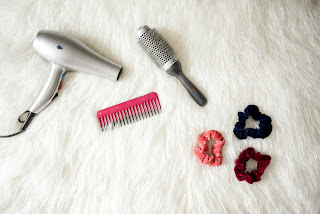
Hair care for healthy Hair


Oil For Better Hair Care

Nutrition is essential for anything that grows and hair is no exception. Your hair shaft might be dead but the roots are very much alive. And oiling the roots give the nutrition and strength to grow long and strong.

Oil your hair at least twice a week.

Massage For Better Hair Care

Like any other living thing, stimulus works wonders on your hair growth too. Massaging pulls blood flow to your scalp and this in turn stimulates the growth of your hair. A win win situation! Your relaxed and your hair has the promise of better growth. What more can a girl want?

Massage you’re hair at least twice a week. This is one of the simplest beauty tips for hair growth.

Massaging improves the blood flow which will help the hair in getting additional nutrients. Also keeping fit generally will also help in stimulating blood flow to the whole body. Pure lavender oil can be massaged on the scalp every alternate day to promote hair growth.

Shampoo For Better Hair Care
Hair Wash 
Clean hair is the first step to having to healthy hair. But as you clean and wash, it essential to follow these few tips for long hair care. Here is the list.

Yes, your hair looks better when washed. But washing it every day will only m

Hair grows at the rate of ½ inch each month so it grows 6 inches per year at average. But due to regular damage, styling and other reasons hair get split ends and damaged cuticles. It is proven that healthy hair grows faster than damaged hair and so visiting the salon every 6-8 weeks is advised. Let the hair dresser trim the lower portion of the hair. You need not trim a lot but ½ inch every three months, this will ensure that the damage is minimum and your hair is healthy. After the haircut, use a leave in serum to help heal the split hairs and prevent further damage. Here are some more tips to get long hair.ake it dry and brittle. Do not wash more than thrice a week.

Hair is brittle when wet. Be gentle when washing.

Use cold or normal water when washing. Hot water has the same effect as heat treatment. Your hair will be left dry and frizzy.

Don’t use too much shampoo and the sulphates can harm your hair.

Condition For Better Hair Care

Conditioning is a key factor to maintaining good hair. It locks the moisture in the shaft preventing dryness along with providing protection from dirt and pollution, to a certain extent from the sun too. Therefore skipping the conditioner would just be plain stupid. However there are certain tips and ways to do it right depending on your needs.

Never step out of the shower without using a conditioner. Ever! Now you can conditioner hair with a regular packaged product or go for more homemade remedies. Oiling before a shower works wonders but you can also make an egg conditioner and a hair mask for regular use if you please.

However, if you have extremely brittle hair then deep conditioning once a week is advised. Make a hair pack that suits your needs and apply it on your hair. Then tie around it a hot towel and allow it to sit for a bit. This opens out the pores and ensures better absorption of nutrients.

Combing For Better Hair Care

Let us begin by saying comb with care!

Using of a wide toothed comb is advised. Use it to detangle the hair from the bottom and slowly work up as it will reduce breakage. Don’t try combing your hair while it’s wet as this may lead to unnecessary hair fall. Also do keep in mind that you will need to cover your hair while in the pool as the chlorine in it will harm the hair.

Brush them sensitively. Pulling them carelessly will only lead to breakage and brittle hair.


Trimming For Better Hair Care

Splitting of your hair tips is going to happening no matter how much care you take! They are normal as your hair grows out.

Wednesday, 30 January 2013

Prevention of Cervical Cancer

No Cervical Cancer (PINCC) is a group of doctors and counselors; we travel to many places around the world to help women stay healthy. We are most interested in helping to keep women from getting cervical cancer.

Cervical cancer is a terrible disease that kills 280,000 women every year worldwide, mostly in less developed countries in Africa, Asia and Latin America. The saddest part is that it is completely preventable! We are working to prevent it. Click here to learn how you can get involved.

Who is likely to get Cervical Cancer?

Women over the age of 35, women who had sex before they were 15, and women with HIV have the highest risk. Women who have had many sex partners or whose partner has had many sexual contacts are also at higher risk.

What is a Cervix?

The cervix is the mouth of the uterus (womb) that sits at the back of the vagina. It's where a sperm gets in to make a baby, and how the baby comes out later.

Cervical cancer is caused by an invisible virus that is spread by having sex, just like HIV. It's called HPV (human papillomavirus), and more than half of women have it by age 35. Most men and women don't know they have it, unless they get the kind that causes warts: little bumps you may see or feel on the woman's or man's genitals. Warts are not cancer.

How is cervical cancer prevented?

The HPV virus gets into the skin of the vagina and cervix and lives there. Many infections are cleared up by your own immune system; but the bad kinds can stay, and slowly cause changes in the cervix that may become cancer, over a 5 to 10 year time period. These abnormal cells are called dysplasia. If it is found and treated early, it can be completely removed. We can look at your cervix with a simple test, called VIA (washing it with vinegar), and see the dysplasia. Then we can freeze them, or remove them. VIA is even better than a Pap test in finding the dysplasia. It is not painful, just a little uncomfortable.

If we see precancerous cells, we will take a biopsy to be sure. This is a small pinch of skin, which we send to a laboratory for examination under a microscope. We will also check inside the cervix to be sure we don't miss anything.

If we think it is not too severe, and we can see all of it, we can freeze and kill the dysplasia. This is called cryotherapy. It causes a little menstrual-type cramps for a few minutes; we can give you medicine (Ibuprofen) to help the cramps. The frozen dead skin will gradually fall off, while new healthy skin grows underneath. You will have a watery discharge for about 2 or 3 weeks. You should not put anything in the vagina or have sex till the discharge stops, so it heals well.

If the dysplasia is severe, or we can't see it all, we need to remove those areas of the cervix. We will make it all numb so you don't feel any pain; then we use a thin wire with electricity to remove the bad parts. This is called LEEP. We will send the tissue to a lab to be sure there was no cancer, only dysplasia. We will use a tiny electric ball to stop the bleeding; then we paint the cervix with a mustard-like medicine to help it heal.

Afterwards, you will have a discharge of blood, like a period, and a dark grainy stuff like coffee grounds for 2 to 3 weeks. It is best not to do any heavy lifting or exercise for a week, so the bleeding doesn't get worse. It is very important that you don't put anything in the vagina during the healing time, about 1 month, so it can heal up well. Otherwise you could have more bleeding, or re-infect the healthy new skin that is growing. Be sure to explain this to your partner. Using a condom for 2 months after treatment also helps to prevent recurrence. 9 out of 10 women have no more dysplasia after treatment; but you should be re-examined in 6 months to be sure, as a few women need another treatment.

Having treatment for dysplasia will not keep you from getting pregnant or having a baby. However, you should not have LEEP or cryotherapy while you are pregnant. Tell the doctor or counselor if you think you might be pregnant.

If you have HIV or AIDS, the HPV virus will develop towards cancer much more rapidly. Even if you have been treated in the past, the pre-cancerous cells can recur. It is very important that you have frequent, regular examinations for dysplasia (every 6 months).

Share this information about preventing cervical cancer with your friends and family. You, too, could help to save someone's life!

Sunday, 9 December 2012

Creative chocolates

Many of the old myths about chocolate and health and crumbling under the weight of scientific fact. The once-prevalent believe that something that tastes so good just can't be good for you has given way to a more balanced picture of chocolate and cocoa products and their relation to health and nutrition. Here are brief reviews of recent findings that correct common mis perceptions of the effects of chocolate on health.

Myth: Confectionery is a major cause of tooth decay.
Truth: Tooth decay is primarily the result of poor oral hygiene. Dental caries (another word for cavities) are caused by any foods containing ferment able carbohydrates that are left on the teeth for too long. In fact, there are ingredients found in chocolate products that may retard the tooth decaying process.
 
Myth: Chocolate is high in caffeine.
Truth: The amount of caffeine in a piece of chocolate candy is significantly lower than that in coffee, tea or cola drinks. For instance, a 5 oz cup of instant coffee has between 40 and 108 mg of caffeine, while a 1 oz milk chocolate bar contains only 6 mg and many confectionery items have no caffeine at all.
 
Myth: Confectionery has a high fat content and will lead to weight gain.
Truth: "Candy, in moderation, can be part of low-fat eating. In fact, an occasional sweet treat helps you stick to a healthy eating plan." - Annette B. Natow, Ph.D., R.D., author of The Fat Counter and The Fat Attack Plan.
 
Cholesterol
Q. What is the level of cholesterol in a 1.65 oz. bar of milk chocolate?
A. The American Heart Association recommends that daily cholesterol intake not exceed 300 mg. A chocolate bar is actually low in cholesterol. A 1.65 oz. bar contains only 12 mg! A one oz piece of cheddar cheese contains 30 mg of cholesterol — more than double the amount found in a chocolate bar.
 
Sodium
Q. What is the level of sodium in a one oz milk chocolate bar?
A. According to the National Research Council of the National Academy of Sciences, the maximum Recommended Daily Allowance (RDA) for sodium is 1,100 to 3,300 mg daily. A 1.5 oz milk chocolate bar contains 41 mg, while the same size dark chocolate bar contains only 5 mg On the other hand, a 1.5 oz serving of iced devil's food cake has a whopping 241 mg — many times more than chocolate bars.
 
Fat
Q. How much fat is there in a 1.5 oz. chocolate bar?
A. Health professionals and nutritionists suggest that calories from fat should account for no more than 30% of your daily caloric intake. A 1.5 oz. milk chocolate bar contains 13 grams of fat; a dark chocolate bar of the same weight contains 12.
 
Acne: No Link to Chocolate
Over the past two decades, clinical studies have exonerated chocolate as a cause or exacerbating factor in the development or persistence of acne. In fact, many dermatologists doubt that diet plays any significant role in acne.
 
At the University of Missouri, student volunteers with mild to moderate acne each consumed nearly 20 ounces of chocolate over a 48 hour period. Examination of lesions on the fifth day of the test and again on the seventh day showed no new lesions other than those that might be expected based upon the usual variations the subjects had exhibited during several weeks of observation prior to the test.
 
In a research study at the University of Pennsylvania School of Medicine, a group of 65 subjects were fed chocolate bars containing nearly ten times the amount of chocolate liquor as a normal 1.5 oz commercially available chocolate bar. A control group ate a bar that tasted like chocolate, but actually contained no chocolate liquor. At the conclusion of the test, the average acne condition of those eating the chocolate was virtually identical to that of the controls, who had eaten the imitation bars.
 
Chocolate and Allergy
It is possible for a person to be allergic to any food, including chocolate. But recent evidence suggests that allergy to chocolate may be relatively rare.
 
The actual incidence of allergic sensitivity to chocolate is far less common than positive reactions to skin scratch tests would seem to indicate. In at least one double-blind study to determine the correlation positive skin tests for chocolate allergy and the manifestation of clinically observable symptoms, researchers could find only one patient out of a possible 500 who showed both a positive response to the skin test and an objective clinical reaction after eating chocolate.
 
To confirm food allergy or food sensitivity, a "challenge" of the food in question is administered. To yield accurate results, the challenge should be conducted under double-blind conditions; that is, neither the investigator nor the patient knows in advance whether the food administered is the suspected substance or a placebo. This allows for objective evaluation of clinical symptoms.
 
According to S. Allan Bock, M.D., a researcher in food allergy at the National Jewish Center for Immunology and Respiratory Medicine, evaluation of hundreds of patients at that institution has shown no confirmed allergic reaction to chocolate during double-blind challenges.
 
Caffeine and Theobromine
Caffeine and theobromine belong to a group of substances known as methylxanthines. Caffeine occurs naturally in coffee, tea, cola and, to some degree, cocoa beans. It may also be added to cola drinks and is a component of certain over-the- counter and prescription medications. Theobromine is found in cocoa beans; tea contains trace amounts.
 
Caffeine
The amount of caffeine ingested when people eat chocolate in normal quantities is very small. One ounce of milk chocolate, for example, contains 6 mg of caffeine, little more than the amount found in a cup of decaffeinated coffee. Moreover, there have been no reports in the scientific literature of any health problems among children or adults as a result of the caffeine consumed in chocolate.
 
Theobromine
Although theobromine is chemically related to caffeine, it lacks caffeine's stimulant effect on the central nervous system (CNS). In fact, theobromine is virtually inert as a CNS stimulant.
 
Despite the weakness of theobromine's effect on the brain, many people have mistakenly assumed that it is effective in warding off fatigue and sleep, especially when it is consumed in combination with caffeine, as in chocolate.
 
To test this assumption, researchers compared the effect of caffeine, theobromine and a placebo in a clinical study. They found that theobromine administered in a dose of 500 mg (the amount of theobromine in approximately 11 oz of milk chocolate consumed in one sitting) did not increase pulse rate significantly more than the placebo. Caffeine, when compared to theobromine and the placebo, produced significant CNS stimulation.
 
In a double-blind clinical study, subjects ingested measured quantities of caffeine and theobromine, separately and together, at random. Caffeine altered the subjects' own estimates of the time it took to fall asleep, as well as the soundness of sleep, in a dose-dependent fashion. A dose of 300 mg. of theobromine, however, had no detectable effect on sleep. When administered in combination with caffeine, theobromine neither increased nor decreased the sleep effects of caffeine.
 
Dental Caries
Tooth decay has become less of a problem for American children over the last 25 years. Between 1960 and 1980 the incidence of cavities dropped by 50%. Today, one-third of all Americans of college age have never had a single cavity, thanks largely to fluoride delivered in water systems, toothpastes and professional fluoride treatments.
 
Fluoride, good oral hygiene, and professional check-ups and prophylactic treatments are keys to minimizing the incidence of tooth decay. Diet is another factor.
 
It is widely accepted that all foods containing "fermentable carbohydrate" have the potential to contribute to caries formation. Fermentable carbohydrate is present in most starches and all sugars, including those that occur naturally in foods and those added in processed foods. The frequency and duration of tooth exposure to fermentable carbohydrate have been identified as a factor in caries.
 
Although chocolate contains fermentable carbohydrates, a number of dental research studies suggest that chocolate may be less apt to promote tooth decay than has been traditionally believed.
 
Research at the Forsyth Dental Center in Boston has shown that chocolate has the ability to offset the acid-producing potential of the sugar it contains. Acid, produced by certain oral bacteria that digest, or "ferment", sugars, may damage tooth enamel and cause decay.
 
Other theories have been advanced to explain the fact that chocolate appears to be less cariogenic (cavity-producing) than its fermentable carbohydrate content would seem to indicate. In a study conducted at the Eastman Dental Center, certain chocolate products tested were found to be among the snack foods contributing least to tooth decay. The researchers reported that milk chocolate's protein, calcium and phosphate content may provide protective effects on tooth enamel. In addition, because of its natural fat content, chocolate clears the mouth relatively faster than other confections; this is important because the time fermentable carbohydrate remains n contact with tooth surfaces has a bearing on the food's cariogenic potential.
 
Weight Control
Contrary to popular stereotype, most overweight people do not eat excessive amounts of cake, cookies, confections or other foods containing sugar. Their sugar intake tends, in fact, to be below average.
 
More important in controlling weight is the total number of calories consumed each day and the amount of energy expended in physical activity. Overweight children, for example, are generally less active than those of normal weight; thus, they may remain obese even when their caloric intake is reasonable or even limited.
 
Moreover, many people overestimate the calories in chocolate. A 1.5 oz milk chocolate bar contains approximately 220 calories, low enough to incorporate into a weight control diet. The occasional chocolate confection may also reduce the possibility of severe bingeing, which can occur as a result of feeling deprived of highly satisfying foods such as chocolate.